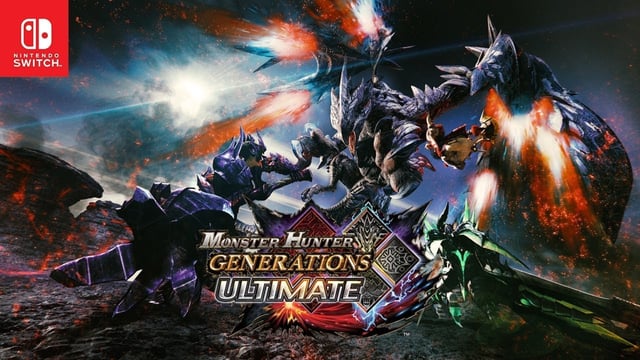
There’s something bittersweet about loving a game but slowly growing to resent the community that surrounds it. For years, I was part of the Monster Hunter streaming community—specifically during the Generations Ultimate era. I wasn’t a traditional content creator; I ran silent streams for years—no mic, no face cam, just the game and the thrill of the hunt. But I was deeply invested in the community. I hung out in chats, joined discords, participated in group hunts, and supported creators I believed in with gift subs, bits, donations—whatever I could give.
I thought I’d found my people.
I was wrong.
The Illusion of Community
When you first enter a gaming community, especially one built around a challenging game that rewards skill and knowledge, there’s an intoxicating sense of belonging. You’re surrounded by people who get it—who understand the grind, the satisfaction of mastering a difficult fight, the joy of helping newcomers.
But beneath that surface, something darker often festers.
What I didn’t realize at first was that our community had developed a rigid hierarchy. Certain hunters—the speedrunners, the ones with impressive kill times, the ones who’d been around the longest—were placed on pedestals. And from those pedestals, some of them looked down on the rest of us.
The “Tough Love” That Wasn’t Love At All
It started small. Dismissive comments about casual players. Eye-rolls when someone asked a “basic” question. Corrections delivered with contempt rather than helpfulness.
Then it escalated.
I watched talented, kind creators get pushed to the sidelines. People who brought positivity and fun to the community were mocked for their playstyles, criticized for achieving milestones like Twitch partnership, and gradually frozen out of the inner circles. The message was clear: you’re not good enough to be here.
The worst part? Most of us said nothing. We told ourselves “it is what it is.” We didn’t want drama. We didn’t want to risk our standing, our views, our place in the community. So we stayed silent while people we cared about got hurt.
The Enabling Effect
Here’s what I’ve come to understand: toxicity thrives when good people do nothing.
The problematic members of our community weren’t universally disliked. They were skilled hunters with impressive speedrun times and deep game knowledge. They could be charming when they wanted to be. They had their inner circles where they were perfectly pleasant. If you stayed on their good side, you might never see the ugly behavior at all.
And so people kept hunting with them. Kept inviting them to streams. Kept treating their presence as a badge of legitimacy. “Oh, that speedrunner is in my hub? I must be doing something right.”
We inadvertently gave them power over our spaces. And some of us—myself included—are guilty of letting them ruin other people’s hunting experiences while we looked the other way.
What I Lost By Leaving
Eventually, I made a choice. I stopped engaging with the community. I unfollowed, muted, and stepped back. Stopped watching streams. Stopped giving subs and donations to people I’d once supported.
Did I lose connections with people I genuinely liked? Unfortunately, yes. Did I lose the sense of belonging I’d once felt? Absolutely.
But I also lost the constant low-grade anxiety of navigating toxic personalities. I lost the feeling of being dunked on for simple mistakes. I lost the exhaustion of pretending everything was fine when it clearly wasn’t. And looking back, I stopped wasting money supporting people who turned out to be assholes.
The Aftermath and Where Monster Hunter Is Now
Years later, many of those toxic figures have moved on or stopped creating content. The damage, however, is already done. I’ve met numerous people over the years who also gave up on streaming or content creation because of how they were treated. Talented, passionate hunters who could have contributed so much—gone.
World changed everything. It brought millions of new players but also fragmented the community into countless smaller pockets. The tight-knit (for better and worse) MHGU streaming scene dissolved. Some toxic figures faded away when they stopped streaming. Others still pop up occasionally, and people still treat them like celebrities. Some things never change.
And then there’s Wilds.
I’ll be honest: I’ve largely checked out. The game feels directionless to me, and watching the community defend its every flaw with the same blind enthusiasm feels exhausting. When the best fight in your Monster Hunter game is a collaboration crossover inspired by another franchise… something has gone wrong. I stopped lying to myself that it would get better.
What’s particularly telling is watching the “big” Monster Hunter content creators. Many of them have quietly pivoted back to making videos about older games. The engagement on Wilds content feels forced—you can see the fatigue in people’s streams, the going-through-the-motions energy of creators who built their identity as “MH streamers” and now feel trapped by it.
The community has always been rotten in places. We just pretended it wasn’t. And now that the games themselves are struggling to capture what made Monster Hunter special, there’s less and less reason to stick around and tolerate the bullshit.
Moving Forward
These days, I hunt on my own terms. I’ve found smaller circles of genuinely kind hunters who share my passion without the toxicity—people who’d rather help newcomers in public hubs than flex on them.
Monster Hunter Generations Ultimate? Still one of the best games in the franchise. I go back to it regularly. The gameplay holds up, the variety is unmatched, and the magic is still there. Same with 4U. Boot up either of those and you’ll remember why you fell in love with Monster Hunter in the first place.
Lessons Learned
If you’re in a gaming community—or any community—here’s what I wish I’d understood sooner:
Your silence is not neutral. When you witness someone being treated poorly and say nothing, you’re choosing a side. You’re telling the aggressor their behavior is acceptable and telling the victim they don’t matter enough to defend.
Skill does not excuse cruelty. Being good at a game doesn’t give anyone the right to make others feel small. Talent without decency is worthless.
Your mental health matters more than your metrics. No amount of views, subs, or community clout is worth sacrificing your peace of mind. If a space makes you feel bad, leave it.
It’s okay to call it out. We’re so afraid of “drama” that we’ve normalized accepting terrible behavior. Sometimes the right thing to do is name the problem, even if it costs you.
Final Thoughts
I’m done pretending rot isn’t there just because the surface looks fine. And I’m done supporting people who use their platform to make others feel inferior.
Some bridges deserve to burn. And sometimes, the healthiest thing you can do is put down the controller, step away from the Discord, and remember that games are supposed to be fun.
This post is a reflection on my personal experiences in the Monster Hunter streaming community, primarily during the Generations Ultimate era. Names and specific details have been omitted intentionally. If you’ve experienced similar dynamics, know that you’re not alone—and walking away is always a valid choice.
Comments