One Stream, Two Audio Mixes
How I use OBS direct application capture alongside Windows Mixer and Voicemeeter to keep my stream mix separate from what I hear.
READ ↗

There's a version of a person that lives on the internet, and it is almost never the person.
You know the type. They know more than you. They've seen more, played more, suffered more, figured it all out before you even showed up. They post like they're narrating a documentary about themselves. Every take is final. Every disagreement is somebody else being stupid. They are the main character, and you are background noise that occasionally needs correcting.
The easy thing is to hate them. I've done it. It's satisfying for about ten minutes. But sit with it longer and something else surfaces, and it's harder to look at.
Most of these people are not winning at anything. That's what the persona is built to hide. The confidence isn't overflow from a good life, it's a tarp thrown over one they can't stand. They hate the job. They hate the apartment. They hate the version of themselves that wakes up and does it all again tomorrow. So they don't. They log in instead, and online there's no boss, no rent, no tired body, no mirror. Online they get to be the one thing they can't be anywhere else: more.
More popular. More right. More important than the people around them. And the cruel joke is that it works just enough to keep them coming back. A few likes, a thread where they "won," a comment section that agreed. It's a hit, real to the nervous system even when it's nothing at all. So they reach for it again, and the gap between the online self and the actual life widens a little every time.
The contempt comes from that gap. When you've built a whole self on being better than everyone, every other person becomes a threat to the story, so you tear them down before they can threaten it. You're nothing, the comment says. But the comment isn't about you. It's the sound of someone holding their own life at arm's length so they don't have to feel how heavy it's gotten.
It's worth saying plainly, because it's a trap anyone can fall into. The internet hands you a frictionless way to be someone you're not, right when your real life feels too hard to face. That's not a flaw unique to losers. It's a deal almost everyone gets offered eventually, and most people take it without noticing they did.
The way out isn't more internet. It's the boring, unglamorous, deeply uncool work of dragging your attention back to the world that actually contains you. The job you hate is still a real job, one you can change or leave. The tired body is still yours. The people in the room are still there, even after the feed has trained you to find them less interesting than strangers performing online.
There's an old Bulgarian saying: fear the quiet water. The loudest person in the room is rarely the deepest. The same holds online. For every main character broadcasting how much they've done, there are people you'll never hear from doing far more. They focus on their work, their families, their lives. They don't boast. Some hide their good deeds on purpose, so no one ever knows. If someone online seems quiet, it isn't always because they have nothing. Sometimes it's because the real things in a life don't need an audience to be real.
The main character was never the point. The person stuck behind it was. But here's the part that took me longest to accept: you can't save them. Most of the time you can't even help. Some don't want it, and some you'll never reach, no matter how clearly you see what's underneath. So sometimes the kindest thing you can do, for them and for you, is stop trying to argue someone out of a mask they need, and keep walking your own way.
The first person that matters is you. Then the few closest to you. Then the rest. That order isn't selfish. It's the only one that holds. You give what you can to the people performing in the comments, which is usually nothing they'll take, and you save the rest for the quiet life that's actually yours to live.
Photo by Noah Silliman on Unsplash

How I use OBS direct application capture alongside Windows Mixer and Voicemeeter to keep my stream mix separate from what I hear.
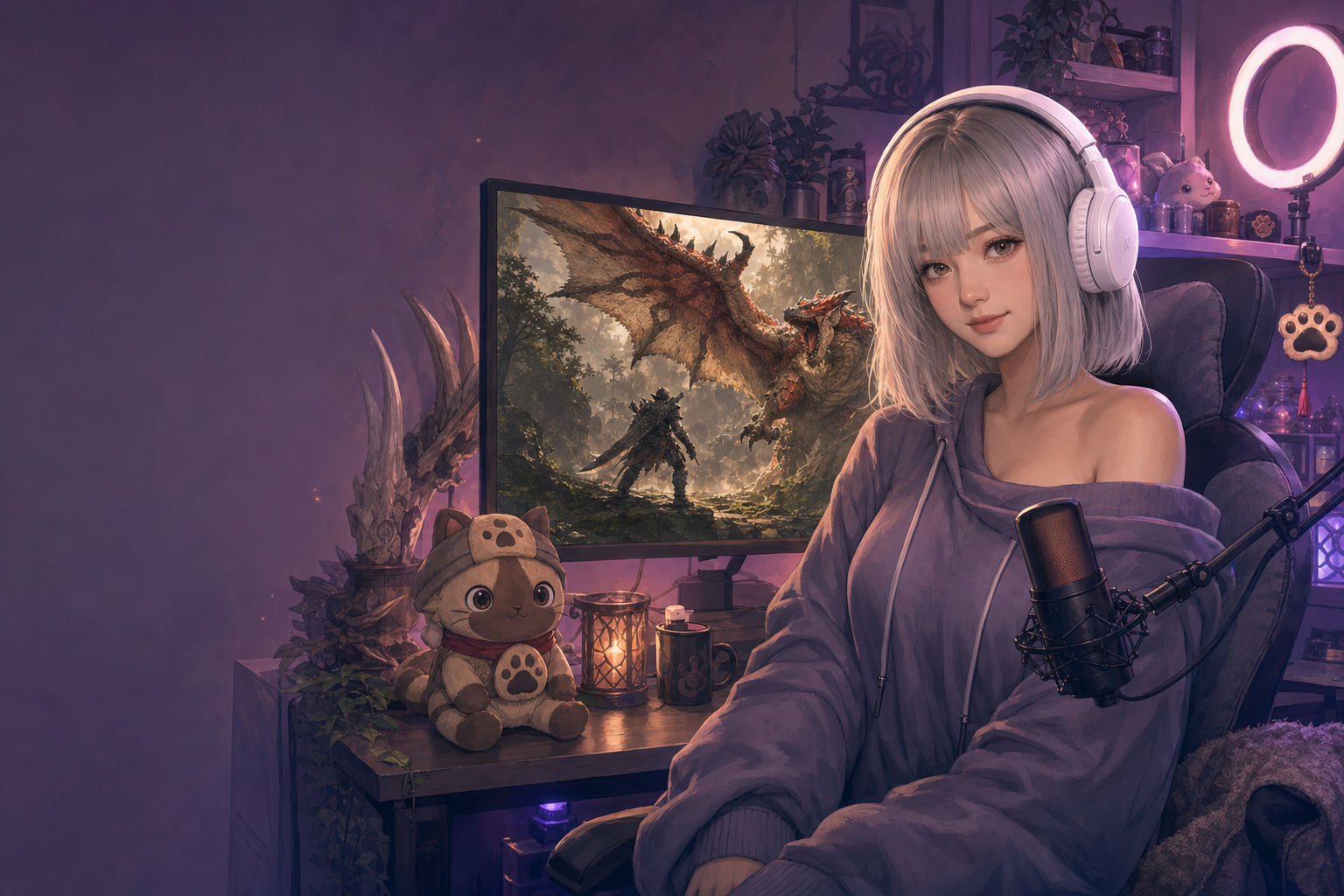
The current-gen Monster Hunter "moral e-girl" streamer runs a sermon and a thirst trap on one feed. A look at the archetype, the incoherence, and the tells.
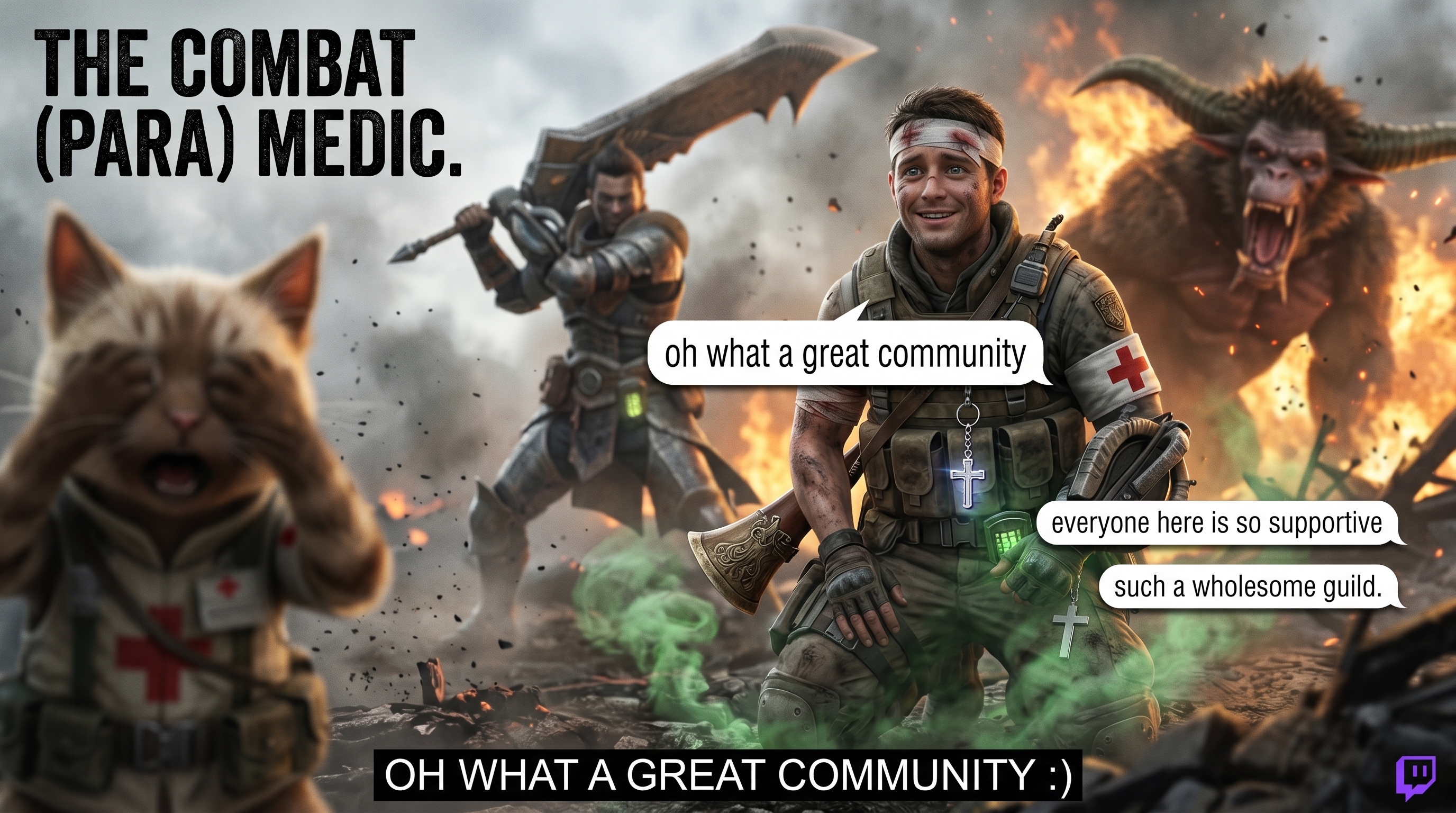
On defending bad apples, fake friendship theater, big talk and small excuses, and why neutrality beats aligned hypocrisy.
No comments yet. Be the first to share your thoughts!